Bringing Protein and Fiber Together in Bakery and Snack Formulation
September 18, 2026
Consumer demand continues to reshape product development across nearly every food category, especially bakery and snacks. According to the International Food Information Council’s (IFIC) 2025 Food & Health Survey, 70% of Americans say they actively try to consume protein,* making it the most sought-after nutrient for the fifth consecutive year. Whether it’s bars, breads, cookies, crackers, or other snacks, manufacturers continue to respond with products that help consumers meet their protein goals.
As the protein trend continues to influence new product development, consumers are increasingly looking for foods that deliver more complete nutrition. Rather than focusing on just protein, they expect items that deliver multiple benefits, creating opportunities for manufacturers to formulate products that pair protein with ingredients that enhance overall nutritional value, including fiber.
While protein continues to dominate nutrition trends, Americans still are not getting enough dietary fiber. In fact, they average only about 16 grams of fiber per day – well below the recommended daily intake. Plus, as consumers increase protein, they often replace foods that have traditionally contributed fiber, widening what nutrition experts commonly refer to as the “fiber gap.”
The proliferation of GLP-1 medications is also making an impact. An estimated 22 million U.S. adults have used GLP-1s. Because these medications suppress appetite, users eat significantly less and are often advised to prioritize protein to help preserve lean muscle mass. As portion sizes become smaller and snacks become fewer, nutrient-dense items that combine protein and fiber are becoming increasingly important, creating new opportunities to deliver more nutrition in every bite.
ADDING FIBER WITHOUT COMPROMISING QUALITY
For processors, the challenge is incorporating meaningful amounts without compromising product quality, but adding fiber to bakery and snack formulations isn’t always straightforward. Fiber can introduce grittiness, heaviness, or dryness. It can also negatively affect dough handling, finished product texture and overall quality. For manufacturers looking to achieve a “high fiber” or “good source of fiber” label claim, the challenge is increasing fiber content without compromising the sensory qualities consumers expect. Selecting the right fiber ingredient is key to overcoming these formulation challenges.
Not all fibers perform the same way. Understanding the differences helps formulators choose ingredients that support both nutrition and product performance.
Soluble fiber dissolves in liquid and forms a gel-like consistency. Nutritionally, it is associated with supporting healthy blood sugar levels and heart health. In food applications, soluble fibers are commonly used for thickening, stabilization, and emulsification.
Insoluble fiber does not dissolve in water. In formulations, insoluble fiber is used for water binding, moisture management, and overall texture – making it particularly well-suited for bakery and snack applications.
These distinctions make insoluble fiber well-suited for added-protein bakery and snack formulations.
OAT FIBER DELIVERS NUTRITION AND FUNCTIONALITY
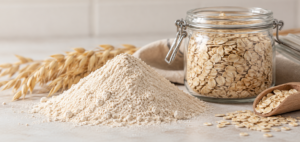
For manufacturers looking to increase fiber without sacrificing quality, Grain Millers Oat Fiber offers an effective solution. Produced through a natural process without the use of chemical agents, it allows for a clean, simple ingredient declaration. It is exceptionally high in fiber and very low in calories, while its light color and neutral taste ensure easy integration without disrupting product flavor or appearance. Grain Millers Oat Fiber is also gluten-free and available in organic options, providing additional flexibility for product development
Beyond its nutritional benefits, oat fiber delivers functional advantages across a number of bakery and snack applications.
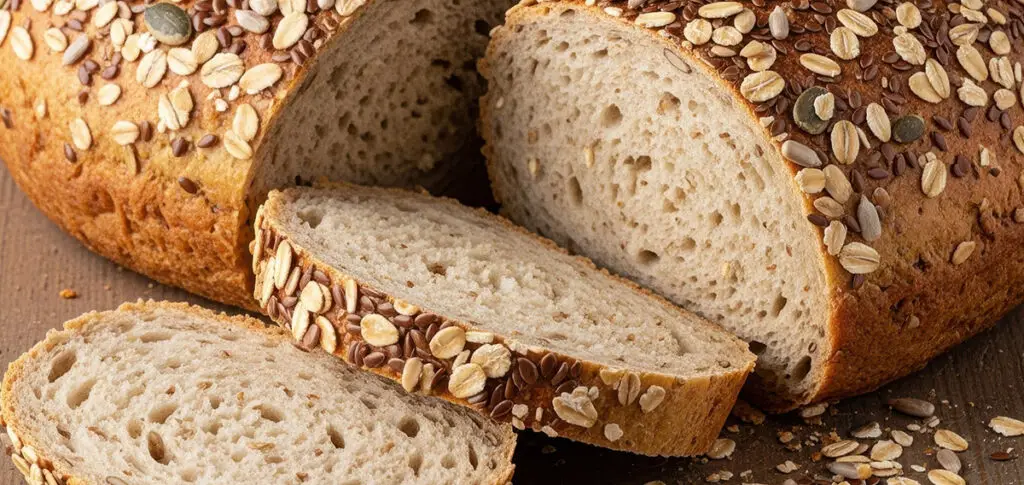
- Breads and buns – helps maintain softness, extends shelf life.
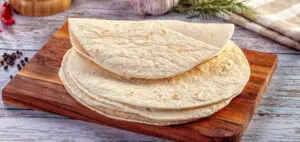
- Tortillas – maintains pliability while reducing cracking during rolling and folding.
- Cookies and crackers – improves structural integrity and helps reduce breakage.
- Cereals and snacks – enhances crunch and helps minimize the dry, “cardboard-like” texture that can sometimes accompany high-protein formulations.
- Muffins and cakes – maintains crumb structure.
LOOKING AHEAD
High protein continues to attract consumers, but it’s also creating a new opportunity for product innovation. As consumers continue choosing protein-rich foods, they’ll expect those products not to provide only protein. They’ll expect foods that offer a more complete nutritional profile.
For bakery and snack manufacturers, successful products will combine protein and fiber while maintaining the taste, texture and quality consumers expect. By selecting functional ingredients such as Grain Millers Oat Fiber, bakers can create items that deliver on expectations without compromising performance.
To learn more about Grain Millers’ oat fiber ingredients, connect with our technical services team.
*International Food Information Council. 2025 Food & Health Survey. January 13, 2026