The Role of Soil Microbes in Soil Health and Productivity
March 13, 2026
Microbes may be physically small, but their quantity and roles are dynamic in soil ecosystems and crucial for crop productivity. The five different categories of microbes that are found in the soil biome are bacteria, fungi, viruses, protists, and archaea/algae. Each microbe category is responsible for special, and often multiple, soil processes:
- Nutrient cycling: Microbes convert stable forms of nutrients into readily plant available forms, which includes biological nitrogen fixation.
- Diminishing soil pathogens: Microbes create symbiotic relationships with roots in the soil, protecting plants from harmful microbes by linking to beneficial ones.
- Storing carbon: By growing in both size and population, microbes use carbon via organic matter decomposition as an energy source and as a building block for biomass production.
- Creating soil aggregates: Mycorrhizal fungi secrete Extracellular Polymeric Substances (EPS) and form mycelium networks that assist in holding the soil structure together.
By using one of two processes, microbes achieve a symbiotic soil forming system: humification and microbial mineralization. Humification is the process of breaking down plant material or other organic inputs (such as manure) into long-chain carbon structures that stabilize carbon and soil structure. On the other hand, microbial mineralization results in a similar breakdown of organic material, except that it is transformed into plant-available forms of nutrients that release carbon dioxide. Fungi are key in humic processes, while bacteria are the drivers of microbial mineralization.
Oats & Microbes
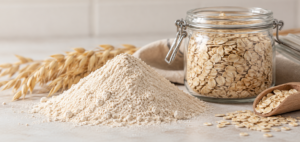
Oats are one of the best crops to grow to promote microbial activity in the soil. In rotations including oats, Arbuscular Mycorrhizal Fungi (AMF) and Plant Growth-Promoting Rhizobacteria (PGPR) are abundant. Since oats are well known for their ability to create dense and deep rooting systems, they can symbiotically associate with microbial communities like AMF in high numbers in the soil.
Soil Microbes Under Traditional Cropping Practices
Microbial underperformance can stem from several factors in a typical conventional cropping system:
- Tillage: Unfavorable environmental conditions when combined with tillage can release carbon too quickly; this reduces the energy source microbes depend upon, and breaks the symbiotic networks which form via connections to plant roots.
- Synthetic fertilizers: Heavy use of synthetic fertilizers can signal to microbes that their nutrient cycling role is less necessary, causing them to reduce activity or potentially even become dormant.
- Pesticides: Many pesticides can also influence the microbiome, as their salinity and pH content can affect microbial activity.
- Monocropping: Monocropping promotes similar microbe activity, reducing nutrient availability and creating conditions for harmful microbes to thrive.
Improving Soil Microbial Populations
There are a variety of practices that you can implement to help feed soil microbes and increase both their quantity and activity:
- Diverse crop rotations: Having several different crops (legumes, grasses, forbes) over a set period that are each associated with varying types of microbes, including bacteria and fungi, can boost overall soil function.
- Intercropping: Intercropping allows microbes that benefit different plant families to coexist in the same field and provide benefits to the other species that might not have been realized if they were grown in a field as one crop.
- Reducing tillage: Avoiding unnecessary uses of tillage allows populations of fungi to rebuild mycelium networks and maintain their symbiotic network. Keep tillage operations segregated to areas that need it, and avoid disturbing areas that do not need the soil to be moved to solve a problem.
- Compost or manure: If you have the resources to do so, adding compost or manure as a natural source of both fertilizer and microbes can reinvigorate the soil’s preexisting biology.
- Support of Macrofauna: Macrofauna, like earthworms, beetles, slugs, etc., also help to support microbial populations by moving and mixing the soil, making new material available for microbes to decompose.
Final Thoughts
Microbial life plays a vital role in nutrient cycling, soil structure, and overall plant health. Certain crops, like oats, help strengthen biological systems through strong microbial partnerships with plants; whereas practices such as excessive tillage, heavy fertilizer use, and limited crop diversity can weaken these microbial communities. By diversifying rotations, reducing disturbance, and adding organic amendments, growers can strengthen soil biology, improve microbial health, and increase productivity within their fields for the long term.
References:
https://www.agri-tecno.com/soil-microbiome-sustainable-agriculture